Chapter 1
Inside an FM station
Follow one song from the studio playlist, up a tower on a hill, and into your ear.
An FM station is a chain. In the studio, a radio jockey (RJ) talks into a microphone. A playout computer plays the songs, ads and jingles in the order planned for each hour, often drawn as a clock. The RJ blends it all on a mixing console.
Next comes the audio processor. It evens out quiet and loud parts and trims every peak, so the station sounds loud and punchy but never pushes the signal past its legal limit of ±75 kHz (chapter 3 shows what that means). This is why stations sound louder than your music app.
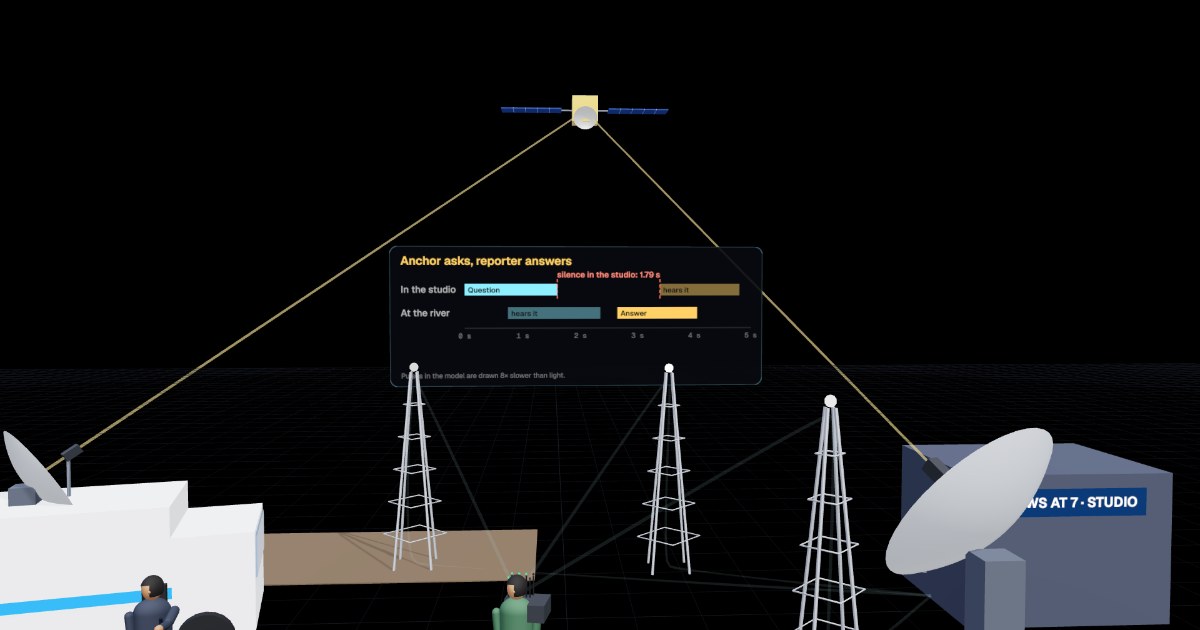
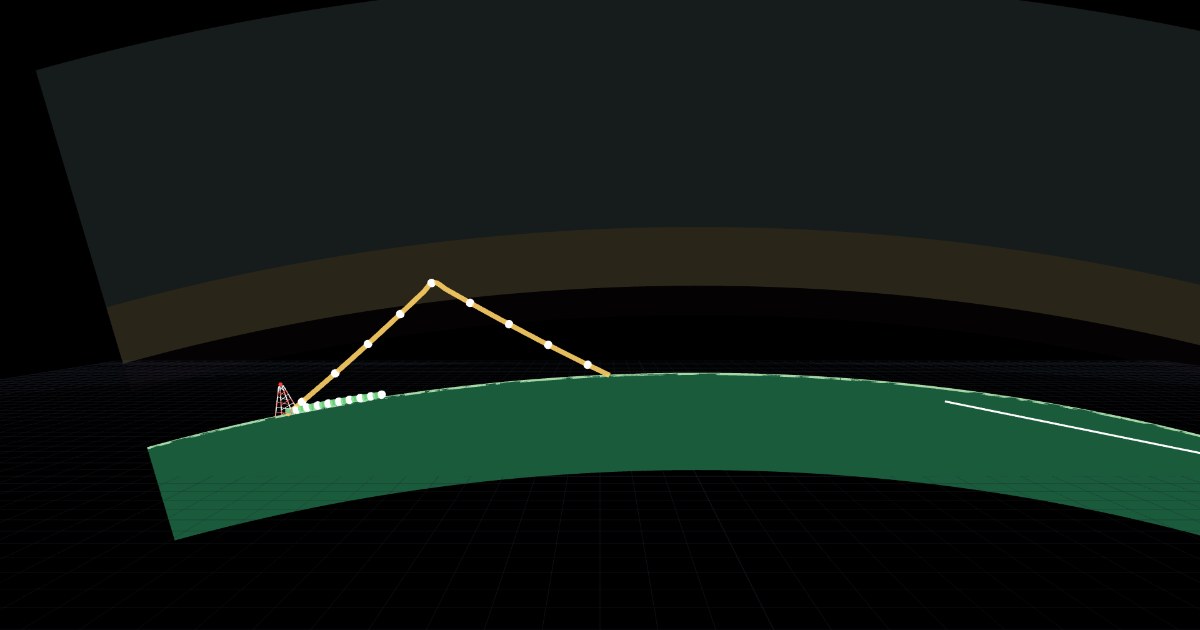
The studio is usually in an office in town, but the transmitter sits under a tall mast on a hill or a high building. A studio-to-transmitter link (STL), a small microwave dish or a fibre line, carries the audio there. The transmitter makes a strong radio signal at the station's frequency, and a stack of antenna bays sends it out towards the horizon. Your radio does the rest; RadioClear shows how a receiver works, and TVStationClear follows the same kind of chain for television.